
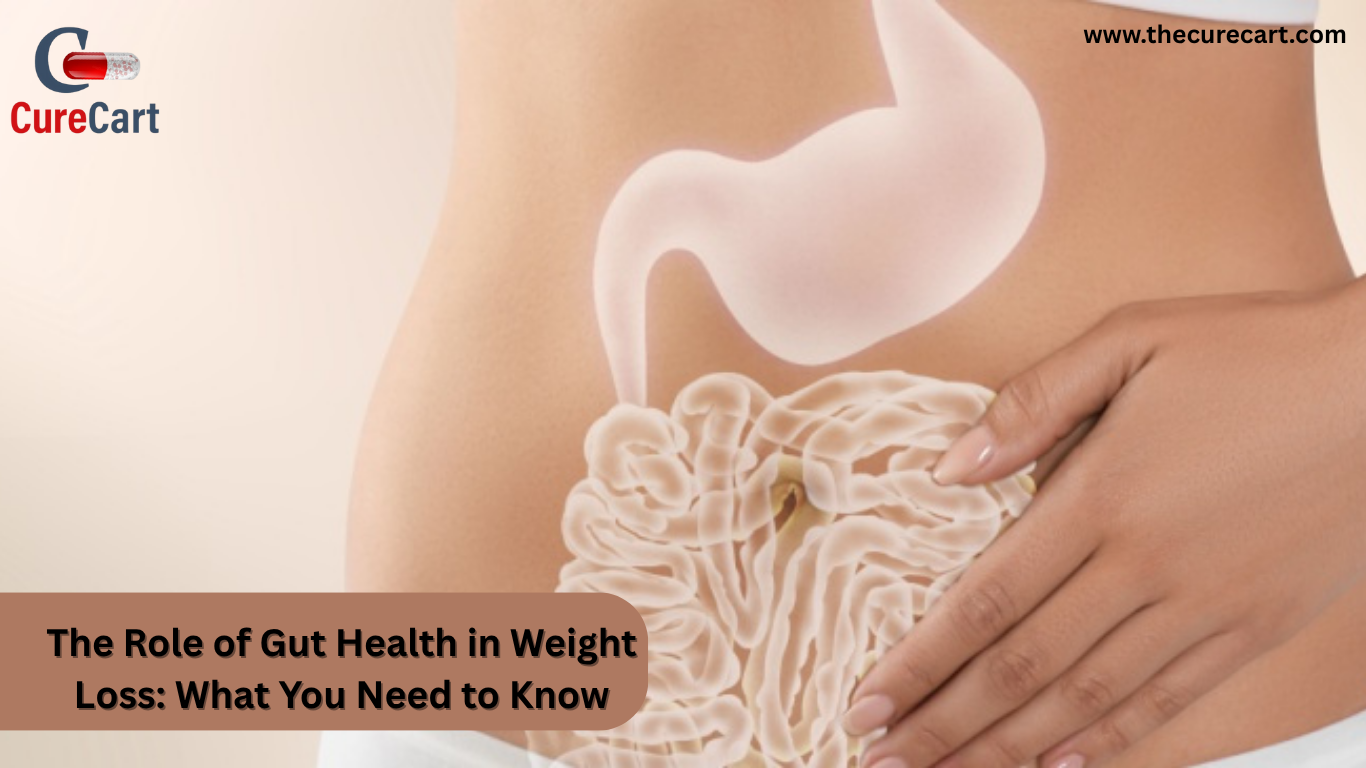
In recent years, scientists and nutrition experts have increasingly emphasized the importance of gut health. Beyond digestion, immunity, and nutrient absorption, your gut plays a major role in metabolism and body weight. As research expands, one thing is becoming clear: the relationship between gut health and weight loss is far more powerful than previously understood.
Today, experts believe that your gut microbiome, the trillions of bacteria residing in your intestines may determine how easily you lose weight, how efficiently your body stores fat, and how you respond to different diets. Understanding the link between the microbiome and obesity can give you an advantage in your weight-loss journey. Companies like CureCart Pharmacy are also helping individuals access supplements and FDA-approved Indian medicine through the best online medicine delivery USA, making gut-supporting treatments more accessible than ever.
Why Gut Health Matters in Weight Management
Your gut is home to over 100 trillion microorganisms that influence everything from digestion to hormone balance. When this system is balanced, your body functions efficiently. When it becomes imbalanced, however, it can lead to inflammation, slow metabolism, increased cravings, and weight gain.
Researchers studying gut health and weight loss found that certain bacterial strains are linked to leanness, while others promote fat storage. This means weight loss isn’t just about calories it’s also about the health of your gut ecosystem.
A balanced microbiome helps:
- Regulate hunger hormones
- Improve nutrient absorption
- Reduce inflammation
- Support healthy digestion
- Maintain normal blood sugar levels
Unfortunately, modern diets high in sugar, processed foods, and artificial additives disrupt this balance. This disruption strengthens the connection between microbiome and obesity, explaining why many people struggle with stubborn weight even when dieting.
The Microbiome–Obesity Connection: What Science Shows
Several studies have revealed a fascinating link between microbiome and obesity. Obese individuals tend to have lower microbial diversity, meaning fewer beneficial bacteria and more harmful ones. This imbalance affects how the body processes food and stores fat.
Key ways the microbiome influences obesity include:
1. Calorie Extraction from Food
Certain gut bacteria are extremely efficient at extracting calories. When these bacteria dominate, your body absorbs more calories from the same portion of food compared to someone with a healthier balance.
This is one of the strongest mechanisms connecting gut health and weight loss. An unbalanced gut can sabotage even a disciplined diet.
2. Inflammation and Insulin Resistance
An unhealthy gut leaks toxins into the bloodstream, triggering inflammation. Chronic inflammation is a major contributor to:
- Fat accumulation
- Insulin resistance
- Slowed metabolism
These processes directly link the microbiome and obesity, especially in individuals who struggle with abdominal fat.
3. Hunger and Craving Signals
Your gut communicates with your brain through the gut–brain axis. When harmful bacteria dominate, they send signals that increase cravings for sugar and processed food. This further worsens the gut imbalance and promotes weight gain.
4. Hormonal Regulation
Gut bacteria help regulate hormones like ghrelin (hunger hormone) and leptin (satiety hormone). A disrupted microbiome results in hormonal imbalances that impact appetite and weight-control efforts.
Because of these findings, doctors now encourage dietary changes, probiotics, lifestyle modification, and, when necessary, medical support from trusted sources like CureCart Pharmacy, where you can access FDA-approved Indian medicine through the best online medicine delivery USA.
How to Improve Gut Health for Better Weight Loss
Improving gut health requires a combination of dietary improvements, consistent habits, and sometimes supplemental support. Here are highly recommended, science-backed strategies.
1. Eat More Fiber-Rich Foods
Fiber feeds the healthy bacteria in your gut. Foods like:
- Whole grains
- Lentils
- Beans
- Fruits
- Vegetables
- Nuts
support microbial diversity, which aids both digestion and metabolism. Because the connection between gut health and weight loss is deeply influenced by fiber, nutritionists consider it an essential part of any sustainable weight-loss plan.
2. Add Probiotics and Prebiotics
Probiotics introduce healthy bacteria, while prebiotics feed them. Together, they help restore the balance needed to reduce the risk associated with microbiome and obesity.
Common sources include:
- Yogurt
- Kefir
- Kimchi
- Sauerkraut
- Probiotic supplements
Individuals seeking trustworthy probiotics often turn to CureCart Pharmacy, known for offering FDA-approved Indian medicine through the best online medicine delivery USA.
3. Reduce Sugar and Processed Foods
These foods feed harmful bacteria and worsen gut imbalance. Eliminating or reducing them improves both microbiome balance and metabolism.
This is crucial for improving gut health and weight loss outcomes.
4. Stay Hydrated
Water supports digestion, nutrient movement, and microbial activity. Dehydration slows the entire digestive process, negatively impacting the gut.
5. Manage Stress
Stress alters gut bacteria and increases inflammation, creating a direct pathway to weight gain. Techniques like meditation, yoga, and deep breathing help support a healthier microbiome.
6. Get Enough Sleep
Quality sleep regulates hunger hormones and supports gut flora regeneration. Poor sleep is linked directly to both cravings and weight gain, reinforcing the microbiome and obesity connection.
Medical Support for Gut-Related Weight Management
In many cases, lifestyle improvements are not enough, especially when the gut has been compromised for years. This is where medical support can play a major role.
Doctors may recommend:
- Digestive enzymes
- Prescription probiotics
- Gut-healing supplements
- Metabolism-regulating medication
When accessing such treatments, individuals depend on trustworthy services like CureCart Pharmacy, where they can find FDA-approved Indian medicine along with the best online medicine delivery USA. This ensures safe, high-quality, and accessible medical support for gut-related weight issues.
Why CureCart Pharmacy Matters in Your Gut-Health Journey
Gut health plays a transformative role in weight loss, but consistency is key. People who require continuous access to supplements or medications often rely on services like CureCart Pharmacy, which provides:
- Trusted FDA-approved Indian medicine
- The best online medicine delivery USA experience
- Affordable options for long-term gut health management
- Reliable shipping and service
- Access to gut-support supplements and weight-management products
By supporting individuals with essential medical supplies, CureCart Pharmacy helps bridge the gap between science, treatment, and long-term weight success.
Final Thoughts
The relationship between gut health and weight loss is no longer a trend, it is a scientifically proven reality. The microorganisms living in your gut influence digestion, metabolism, inflammation, food cravings, and even your ability to lose or maintain weight. The more researchers study the microbiome and obesity, the clearer it becomes that long-term weight management starts inside the gut.
Disclaimer:
All medications, including those mentioned in this blog, should only be used under the guidance and prescription of a licensed healthcare professional. Do not self-medicate or start any new drug therapy without consulting your doctor or pharmacist.
- Always follow the prescribed dosage and instructions.
- Inform your healthcare provider of any existing health conditions, allergies, or other medications you are taking to avoid harmful interactions.
- Possible side effects vary by individual and may include allergic reactions, digestive issues, or other adverse effects.
- In case of severe side effects or an allergic reaction, seek immediate medical attention.
- Keep all medications out of reach of children.
This content is for informational purposes only and does not substitute professional medical advice.